Why an ATM Installation Can Serve More Than One Purpose for an Oregon Business
- December 24, 2025
- admin
- 2:20 pm
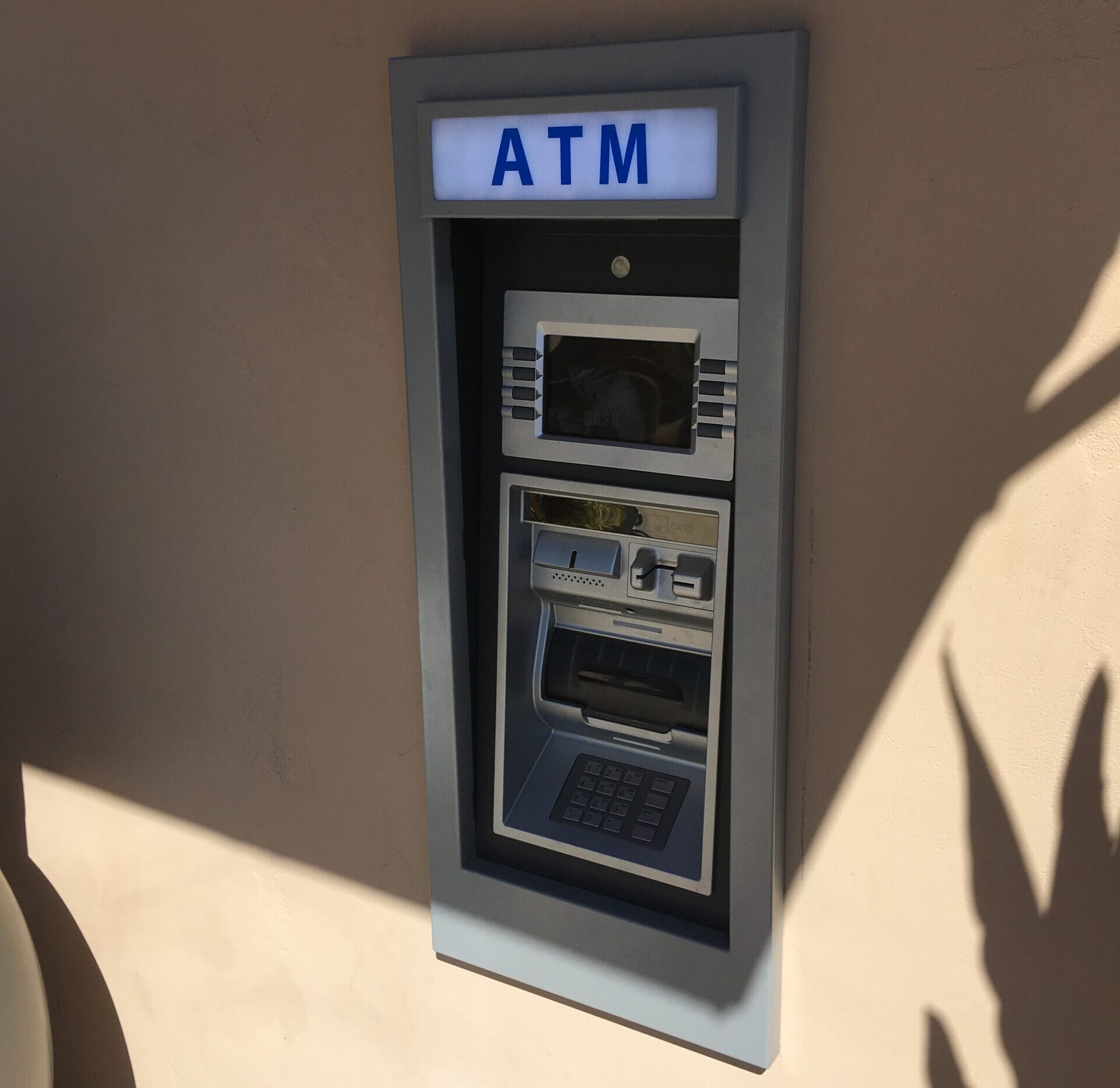
For many Oregon businesses, an ATM installation is not just about putting a machine inside a location. It can serve several practical business purposes at the same time, which is why the right setup can become more valuable than it first appears. An ATM can improve customer convenience, help keep more spending on-site, and support an additional revenue opportunity tied to regular business traffic. That matters in a state like Oregon, where business activity is shaped by a mix of targeted industries and strong visitor movement. Business Oregon identifies food and beverage manufacturing, semiconductors and electronics, and forest and wood products among the state’s strongest industry concentrations, while Travel Oregon reports that the state’s travel economy generated $14.3 billion in total economic impact in 2024. In a business environment that combines local demand with tourism-driven spending, a well-placed ATM can support more than one operational goal at once.
1. An ATM Installation Can Improve Customer Convenience at the Exact Moment Spending Happens
One of the clearest ways an ATM installation serves multiple purposes is by improving convenience right where the transaction decision is taking place. Customers do not always arrive with the payment method they need, and in some businesses that can create friction at the very moment a purchase is about to happen. When an ATM is available on-site, the customer has a faster way to access cash without leaving to find another machine elsewhere. That can help reduce abandoned purchases, support impulse buying, and keep the customer inside the business longer. In Oregon, this can be especially useful in customer-facing businesses tied to hospitality, nightlife, retail, food service, travel stops, and other convenience-driven environments where quick access to cash may affect whether a purchase is completed.
This matters even more in Oregon because the state serves both local customers and a large volume of visitors. Travel Oregon reports 121,020 jobs supported by tourism in 2024, and Travel Portland reports that the Portland region welcomed 12.3 million person-trips in 2024 while generating $5.5 billion in direct visitor spending. In markets such as Portland, Salem, Eugene, Hillsboro, Bend, Beaverton, Medford, and Gresham, customer convenience can directly influence day-to-day sales performance. When an ATM is installed in a place where customer flow already exists, it becomes more than a machine. It becomes part of the business’s ability to make buying easier.
2. An ATM Installation Can Help a Business Capture More Value From Existing Foot Traffic
A second major advantage of ATM installation is that it can help a business get more value from the customer traffic it already has. Many businesses spend considerable time and money trying to increase visibility, attract customers, and bring more people through the door. Once that traffic is already there, the next challenge is turning those visits into completed purchases and stronger customer spend. An ATM can support that goal by reducing one common barrier to buying: lack of immediate cash access. Instead of losing a transaction because a customer needs to leave the location, the business can offer a solution that keeps the sale closer to the point of decision. In that sense, the ATM is not only a convenience tool. It is also a way to make existing customer traffic more productive.
This is particularly relevant in Oregon because the state’s economy is both regionally diverse and visitor-influenced. Business Oregon’s targeted-industry data shows that Oregon’s strongest business concentrations are spread across different sectors rather than one single commercial pattern, while Travel Oregon’s statewide figures show continued visitor demand and spending across the state. That means businesses may benefit from ATM installation for different reasons depending on their location. A tourism-facing site in Bend, a convenience-focused store in Salem, a hospitality business in Portland, or a travel-oriented stop near Medford may all find that customer cash access helps improve how effectively they convert foot traffic into real sales. When the machine is placed where traffic is already meaningful, the ATM begins serving both operational and financial purposes at the same time.
3. An ATM Installation Can Create an Additional Revenue Stream Without Changing the Core Business Model
A third reason ATM installation can be multi-purpose is that it can support an added revenue opportunity while leaving the business’s primary model intact. The business does not have to reinvent its services, change its product mix, or build a new line of operations to make the ATM useful. Instead, the machine works alongside what the business is already doing by serving customers who are already on-site. In the right location, that can allow the ATM to contribute transaction-based value while also strengthening the customer experience. This is one reason ATMs remain relevant for businesses that want a practical add-on rather than a complete operational shift.
For Oregon businesses, that kind of added revenue potential can matter because customer activity comes from multiple sources. Travel Portland reports that visitor spending in the Portland region produced $285 million in state and local tax revenue in 2024 and supported 34,860 jobs, while statewide tourism remained a major economic pillar. These figures help show that customer movement and discretionary spending remain important across many Oregon markets. In those settings, an ATM can create value on two levels at once: it gives customers a useful service and gives the business a chance to capture additional revenue from usage. That is what makes ATM installation multi-purpose rather than single-purpose.
An ATM Installation Can Also Strengthen How a Business Competes in Its Local Market
Beyond convenience and direct revenue potential, ATM installation can also help a business strengthen its position in the local market. Customers often notice when a business makes things easier for them, especially in settings where convenience directly affects buying behavior. A location that offers on-site cash access may feel more complete, more prepared, and more customer-aware than one that leaves people to solve the problem elsewhere. Over time, that can support repeat visits, stronger customer impressions, and better word-of-mouth, especially in neighborhoods or commercial corridors where businesses compete for the same general flow of customers. In this way, the ATM supports not only transactions but also the business’s broader service image.
That local-market advantage can be especially relevant in Oregon because the business environment differs so much by city and region. Business Oregon’s targeted industry overview shows meaningful specialization in areas such as semiconductors and electronics and forest and wood products, while tourism data reinforces the role of visitor spending in markets across the state. A business in Portland may compete in a dense urban commercial environment, while one in Bend, Eugene, or Medford may be influenced by a different combination of local demand and travel activity. In each case, an ATM can help the location feel more useful and more aligned with customer needs when it is placed in the right setting.
The Best Oregon ATM Installations Work Because They Solve More Than One Business Need
The strongest ATM installations are usually the ones that address more than a single objective. They help customers access cash more easily, help businesses capture more value from the traffic they already have, and support an added revenue opportunity without requiring a major change to the business itself. In Oregon, that kind of multi-purpose value makes sense because the state combines strong local industries, diverse regional business environments, and a substantial visitor economy. Those conditions create many situations where an ATM can do more than simply occupy floor space. It can support the way the business serves, sells, and competes.
That is why Oregon businesses should think about ATM installation strategically instead of treating it as a small add-on. When the machine is matched to the right traffic pattern, business type, and local market conditions, it becomes a practical tool with several functions at once. It can support convenience, revenue, customer retention, and business positioning in a single move. In a state where tourism alone generated $14.3 billion in economic impact in 2024 and where targeted industries remain highly concentrated, that kind of practical, location-based decision-making can give businesses a stronger foundation for long-term value.