
How to Identify the Best ATM Location in Oregon Before You Install One
- December 24, 2025
- admin
- 2:10 pm

Choosing the right ATM location is one of the most important decisions a business can make before buying, leasing, or qualifying for placement. A strong machine in the wrong spot may underperform, while a well-placed ATM in the right kind of Oregon business can support customer convenience, reduce lost purchases, and create a more reliable revenue opportunity over time. That matters in Oregon because the state’s economy is shaped by a mix of tourism, food and beverage manufacturing, semiconductors and electronics, forest and wood products, and regionally diverse customer traffic patterns. Oregon’s tourism industry generated $14.3 billion in total economic impact in 2024, while the Portland region alone welcomed 12.3 million person-trips and recorded $5.5 billion in direct visitor spending in 2024. In a state with both strong local commerce and major visitor-driven activity, ATM location strategy should be built around real traffic and real business fit, not assumptions.
Does the Location Already Have the Kind of Foot Traffic That Supports Consistent ATM Use?
The first question should always be about traffic. An ATM usually performs best when it is placed where people are already visiting, buying, waiting, or moving through the location as part of normal business activity. That does not mean every busy place is automatically the right fit, but it does mean that consistent foot traffic is one of the clearest indicators that an ATM may have real usage potential. In Oregon, that can apply to convenience stores, hospitality businesses, travel-oriented locations, bars, restaurants, retail spaces, nightlife venues, and customer-facing businesses in high-activity areas such as Portland, Salem, Eugene, Hillsboro, Bend, Beaverton, Medford, and Gresham. The reasoning is simple: people are more likely to use an ATM when they are already in a place where spending decisions are happening. When traffic is low, inconsistent, or poorly matched to the business type, the ATM may not generate the level of use needed to justify the setup.
This question matters even more in Oregon because traffic is not uniform across the state. Some locations benefit from year-round local demand, while others benefit from seasonal travel, regional tourism, or destination-oriented business activity. Travel Oregon’s 2024 impact data and Travel Portland’s market research both reinforce that visitor movement remains a major economic factor statewide and especially in the Portland region. That means a business should not only ask whether it has customers, but whether it has the kind of customer flow that creates repeated opportunities for cash access. A strong location is usually one where people already have reasons to stop, browse, wait, buy, or return.
Does the Business Type Naturally Create a Need for Convenient On-Site Cash Access?
Not every business creates the same kind of transaction behavior. Some businesses operate in ways that make on-site cash access more useful than others. That is why the second question should focus on whether the business type naturally supports ATM demand. In Oregon, this can include customer-facing environments where convenience matters, where impulse spending happens, where smaller purchases are common, or where people may want quick cash access without leaving the premises. A well-chosen ATM location is often one where the customer experience improves simply because the machine is there. The ATM becomes a practical service point, not just an extra piece of hardware.
This location-fit question is especially relevant in Oregon’s varied economy. Business Oregon identifies major targeted sectors such as food and beverage manufacturing, semiconductors and electronics, and forest and wood products, showing that the state’s commercial footprint is broad and regionally diverse. That means an ATM strategy should reflect the specific role of the location in its local market. A machine placed in a Portland nightlife corridor, a Bend visitor-facing retail business, a Salem convenience stop, or a Medford travel-oriented site may serve a much more natural cash-access need than a location where customers rarely make cash-based or convenience-driven decisions. The best ATM location is usually one where the business type and the customer behavior already point toward practical everyday use.
Will the ATM Be Easy for Customers to Notice, Reach, and Use Without Friction?
Even a strong business location can underperform if the ATM itself is placed where customers do not naturally see it or cannot access it easily. Visibility and usability are major parts of location strategy. If the machine is hidden in a back corner, blocked by layout issues, or placed where traffic does not naturally pass, the business may reduce the number of customers who would otherwise use it. In Oregon businesses that rely on convenience, travel traffic, or fast transactions, the best ATM location is usually one that feels obvious and accessible within the customer journey. The goal is not to force attention onto the machine, but to make it available in a place where its use feels natural and easy.
This matters because Oregon businesses often serve mixed audiences. In visitor-facing environments especially, customers may not be familiar with the space, so the ATM’s location inside the business becomes even more important. Travel Portland’s 2024 data shows the Portland region alone supported 34,860 jobs from travel activity and generated $285 million in tax revenue from visitors, which helps illustrate how significant visitor movement remains in one of the state’s busiest markets. In these environments, an ATM that is visible, well-positioned, and simple to reach can better support the convenience expectations of both local and visiting customers. A great location is not only about business type and traffic. It is also about how easily the machine fits into the flow of the space.
Does the Surrounding Market Support Long-Term Use Instead of Short-Term Curiosity?
A business should also ask whether the surrounding market can support long-term ATM use instead of only creating temporary interest. Some locations seem promising at first because of short bursts of traffic, but the better question is whether the site has ongoing relevance in its neighborhood, corridor, or regional market. A stronger ATM location is usually connected to a stable pattern of customer activity rather than a one-time event or a narrow short-lived spike. In Oregon, this means evaluating not only what happens inside the business, but also what is happening around it. Nearby retail activity, tourism exposure, regional travel routes, hospitality concentration, nightlife movement, and customer-serving commercial clusters can all influence whether ATM demand remains steady.
That broader market view is especially useful in Oregon because the state’s economic geography is diverse. Regional travel and tourism reports show different parts of the state contributing meaningful spending, including strong statewide tourism performance in 2024 and major activity in the Portland region. Business Oregon’s targeted-industry framework also reflects how different sectors and local economies drive different types of customer behavior. A business looking for the best ATM location should therefore think beyond the machine itself and ask whether the surrounding environment will continue to support the machine months and years after installation. When the answer is yes, the location is more likely to support real long-term value.
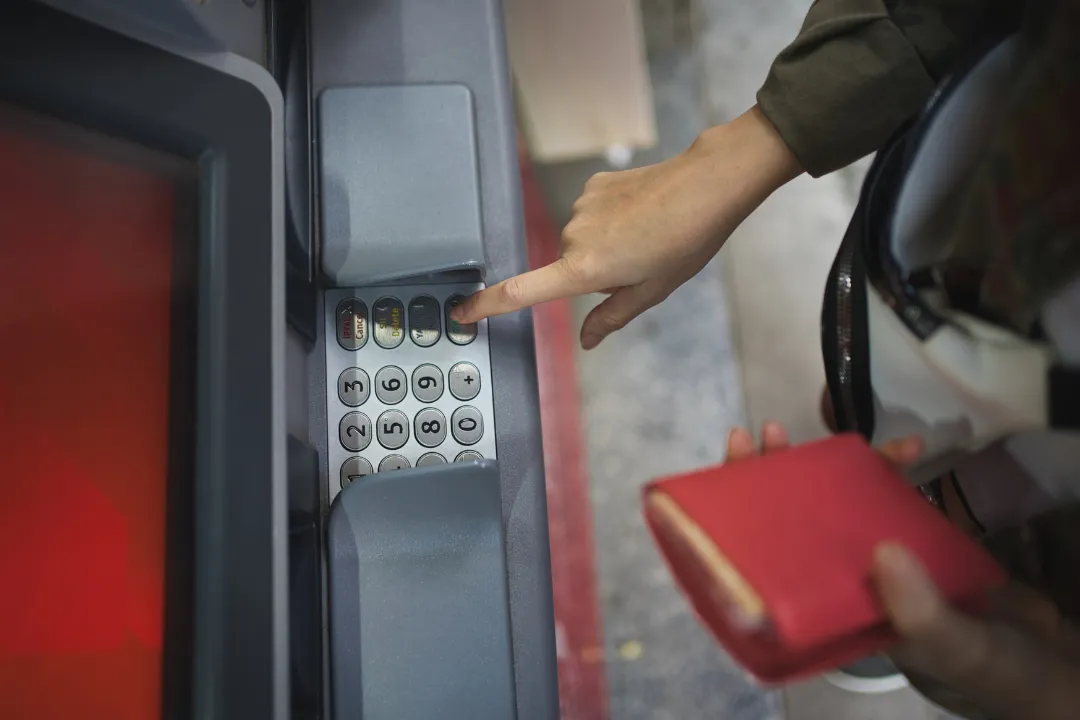
The Best Oregon ATM Locations Usually Come From Careful Evaluation, Not Guesswork
The strongest ATM locations are rarely chosen by chance. They come from asking better questions about traffic, business type, visibility, and long-term market fit before the machine is ever installed. For Oregon businesses, that kind of evaluation matters because the state combines strong tourism activity, targeted growth sectors, urban commercial centers, and regionally different patterns of customer movement. A location that performs well in Portland may do so for different reasons than one in Salem, Eugene, Bend, Hillsboro, Beaverton, Medford, or Gresham. That is why a good ATM strategy should be built around local relevance instead of a generic checklist.
When businesses ask the right questions up front, they improve the odds that the ATM will support customer convenience and revenue instead of becoming an underused corner fixture. Oregon’s statewide tourism impact, Portland’s visitor activity, and the state’s targeted industry mix all reinforce the same lesson: location matters because customer behavior is local. A business that evaluates where its customers already move, spend, and make quick transaction decisions will usually be in a much stronger position to choose an ATM location that performs over time.