Why an ATM Can Help Oregon Small Businesses Capture More Unplanned Spending
- December 24, 2025
- admin
- 2:40 pm
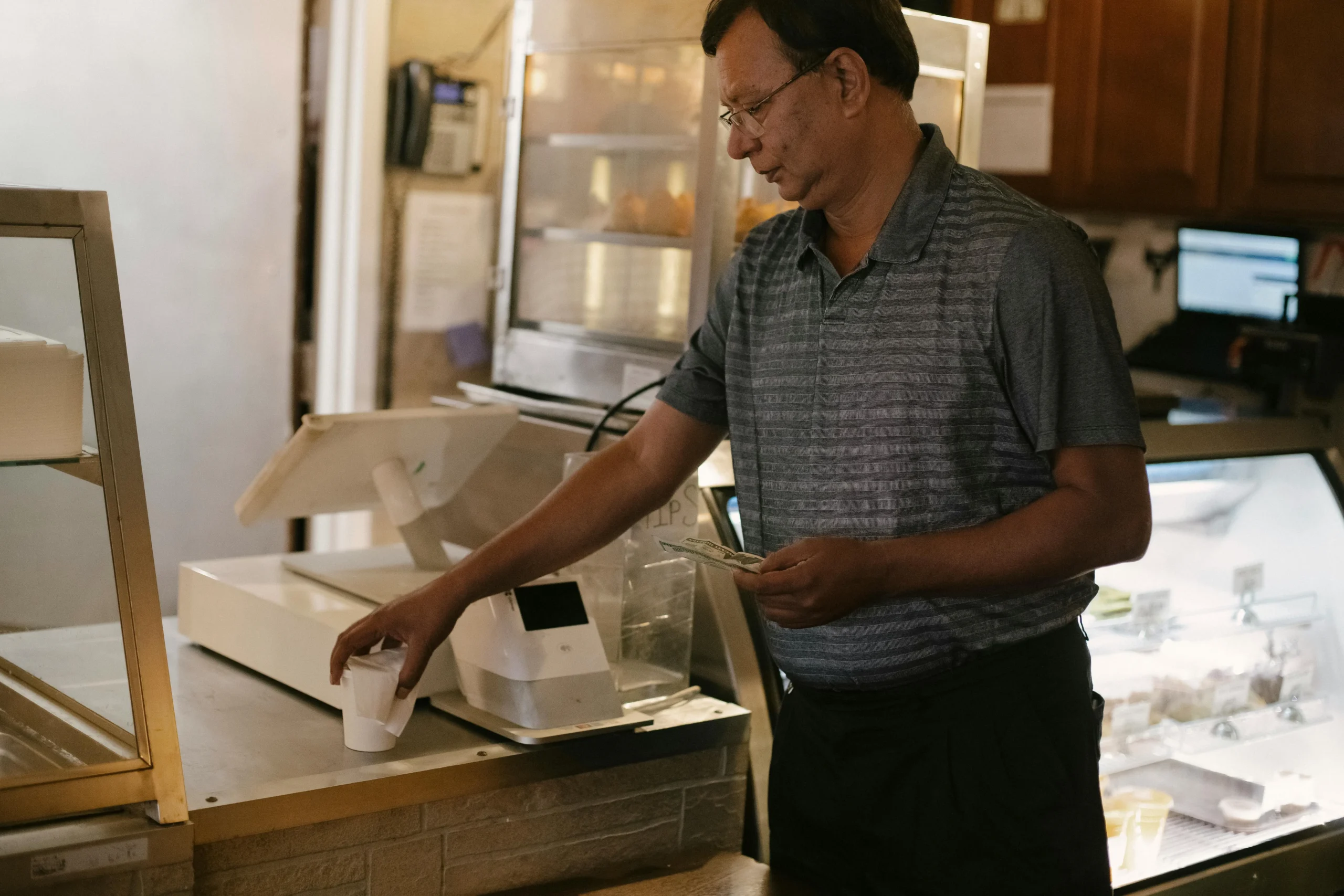
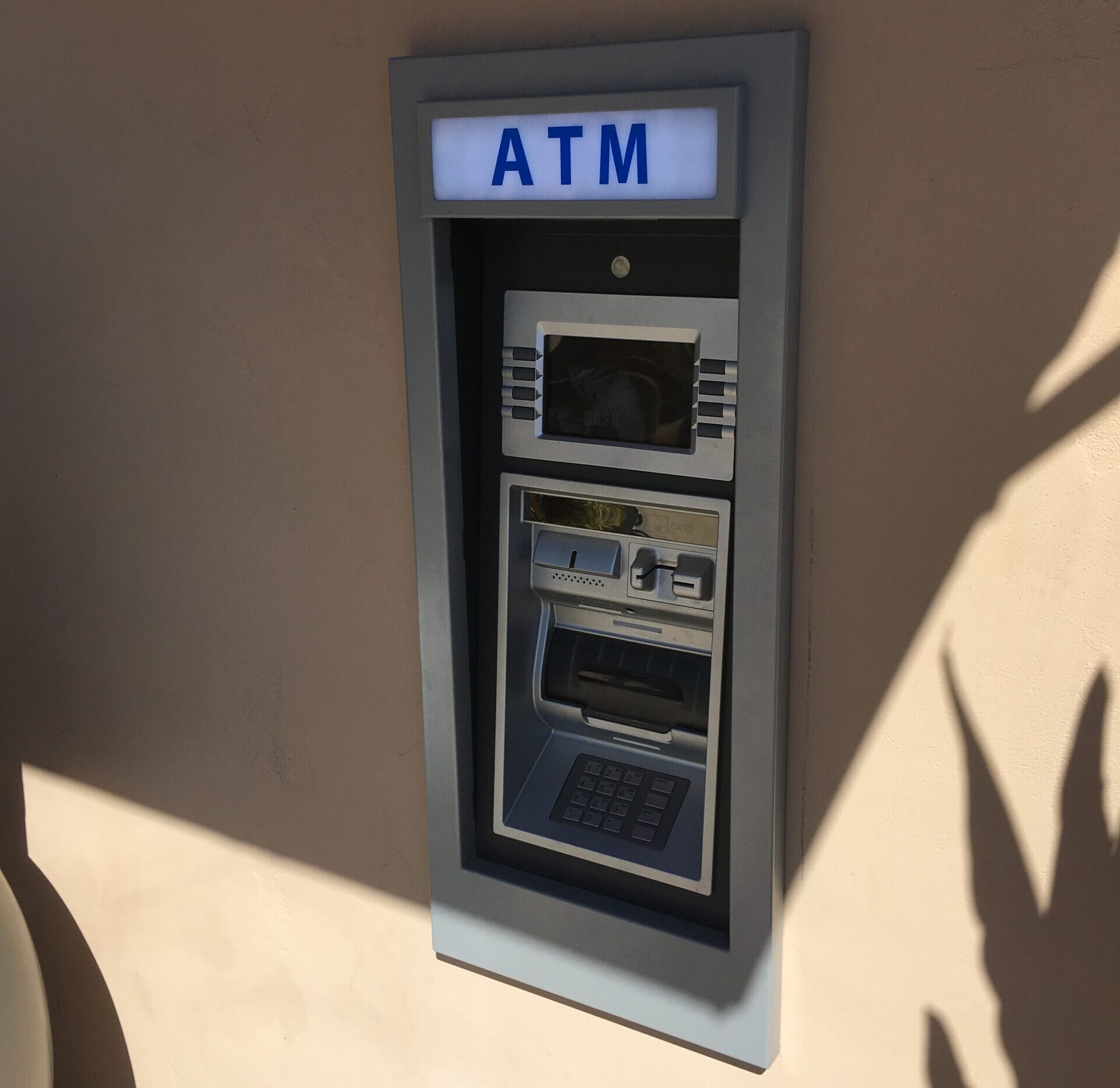
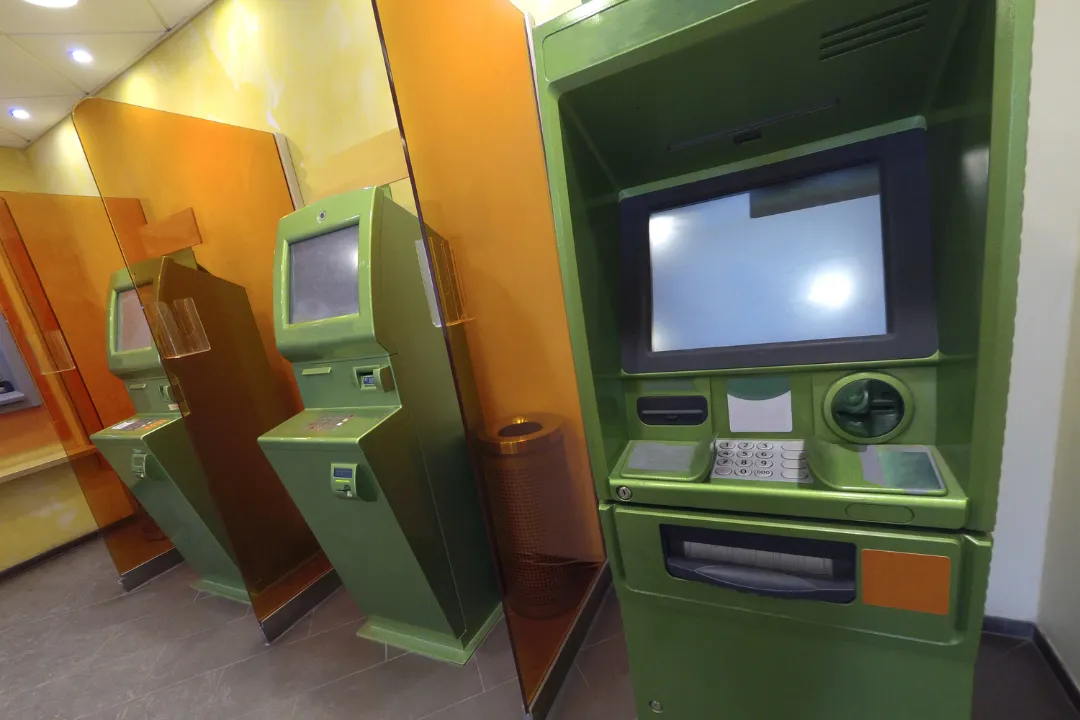
Impulse buying usually happens when a customer is already interested, already inside the business, and only needs a small push to complete the purchase. That final push is often convenience. If a customer wants to buy but does not have enough cash on hand, the business can lose a sale that might otherwise have happened immediately. An on-site ATM can reduce that friction by giving people quick access to cash at the exact point where a purchase decision is being made. That can be especially useful for Oregon small businesses operating in customer-facing settings shaped by tourism, hospitality, nightlife, food service, convenience shopping, and local event traffic. Oregon’s tourism industry generated $14.3 billion in total economic impact in 2024, and statewide targeted industries include food and beverages, forestry and wood products, high technology, and outdoor gear and apparel, all of which reflect the broad and active commercial environment in which many small businesses operate.
An ATM Can Remove the Small Barrier That Often Stops an Impulse Purchase
Many impulse purchases are not lost because the customer does not want the product. They are lost because the transaction becomes inconvenient at the wrong moment. A customer may want to add another item, make a quick extra purchase, or say yes to something they did not originally plan to buy, but then realize they do not have enough cash available. When that happens, the business risks losing not only the extra sale but sometimes the original one as well. An ATM placed on-site helps solve that problem by making cash available where the decision is already happening. Instead of asking the customer to leave, search for another machine, and possibly rethink the purchase, the business gives them a fast, practical path to complete it right away.
This matters in Oregon because many small businesses operate in settings where convenience and timing strongly affect spending behavior. In visitor-heavy or service-oriented areas, customers often make quick, unplanned spending decisions tied to food, drinks, entertainment, retail, and add-on purchases. Oregon’s visitor economy remained strong in 2024, with the state seeing $14.3 billion in tourism economic impact, while official state industry materials also point to a diverse economy that supports a wide range of local business types. In that environment, a well-placed ATM can help remove one of the simplest but most common reasons a spontaneous purchase fails to happen.
Impulse Buying Becomes More Likely When Customers Can Access Cash Without Leaving the Store
Impulse buying works best when the customer remains in the environment where the desire to buy is strongest. The moment a customer has to leave the business to solve a payment problem, the business loses momentum. The customer may get distracted, decide the item is not worth the extra effort, or simply never return to finish the purchase. An ATM inside the location helps prevent that break in momentum. It keeps the customer physically present, keeps the buying decision active, and makes it easier for the business to convert interest into an actual transaction.
For Oregon small businesses, this is especially relevant in areas with meaningful visitor flow and high foot traffic. The Portland region alone recorded $5.5 billion in direct visitor spending and 12.3 million person-trips in 2024, showing how much spending activity continues to move through one of the state’s largest commercial markets. In places like Portland, Salem, Eugene, Hillsboro, Bend, Beaverton, Medford, and other active city markets, a customer who stays inside the business is far more valuable than one who leaves to find cash elsewhere. The ATM does not create interest by itself, but it can keep that interest from slipping away at the exact point where a purchase could have happened.
Small Oregon Businesses Can Use ATM Access to Support Add-On Sales and Faster Buying Decisions
A customer does not always arrive intending to spend more than planned, but the right environment can change that quickly. Small businesses often depend on add-on purchases, quick upgrades, and last-minute decisions that increase the value of each visit. An ATM can support those moments by giving customers access to money when they decide they want more than they first expected to buy. This is particularly useful in businesses where the sale is influenced by atmosphere, convenience, or immediate availability, because the decision to spend often happens in seconds rather than through long comparison shopping.
In Oregon, that kind of buying pattern can be especially common in customer-facing businesses influenced by travel, tourism, hospitality, food and beverage, and locally active retail districts. Business Oregon’s targeted-industry materials show how broad and varied the state’s commercial base is, while Travel Oregon’s 2024 report confirms that visitor spending continues to support activity across the state. That makes on-site cash access a practical tool for businesses that want to turn more of their everyday customer flow into higher-value transactions. When the customer can act on the buying moment immediately, the business has a better chance of benefiting from it.
An ATM Can Help a Small Business Feel More Convenient and More Ready for Real Customer Needs
Impulse buying is not only about emotion. It is also about whether the business feels easy to buy from. Customers are more likely to spend freely in a place that feels prepared, accessible, and convenient. An on-site ATM can contribute to that impression by showing that the business understands practical customer needs instead of expecting the customer to solve them alone. This does not just help the single transaction happening in the moment. It can shape how the customer remembers the experience and whether they return with the expectation that buying there will be easy again.
That can matter even more in Oregon’s competitive local markets, where small businesses often rely on repeat customers, community reputation, and visitor impressions. A business that helps customers complete purchases smoothly may gain an advantage over one that creates small but frustrating barriers. With strong statewide visitor spending and a diverse mix of active industries, Oregon gives many small businesses the kind of environment where service convenience can influence customer behavior in meaningful ways. An ATM can be one small feature that supports that broader experience.
For Oregon Small Businesses, the Real Value of an ATM Is Often in the Extra Purchases It Helps Keep On-Site
The strongest case for an ATM in a small business is not that it changes the entire business overnight. It is that it helps remove friction at the exact moment a customer is ready to spend. That can support impulse purchases, encourage add-on sales, reduce lost transactions, and help keep more spending inside the location. For Oregon small businesses, that value becomes more practical when it is tied to real local conditions such as tourism, event traffic, retail movement, college-town activity, nightlife, and travel corridors. Oregon’s strong visitor economy and broad industry base reinforce why easy customer transactions can matter in a wide range of locations. When a business thinks about ATM placement in this way, the machine becomes more than a standalone service. It becomes part of a broader strategy to make buying easier, keep customers on-site longer, and create more opportunities for spending that might not happen otherwise.